Retro Flower Embroidery Design Review
As an embroidery designer who has spent years refining stitches for both personal joy and commercial viability, I approach every new design file with a mix of excitement and skepticism. When Retro Flower landed in my inbox, I didn’t just look at the digital preview; I imagined it on finished goods. In today’s market, whether you are running a bustling Etsy shop, managing a local boutique, or selling handmade treasures at craft fairs, the difference between a "nice design" and a "best-selling product" often comes down to emotional resonance and technical execution.
I decided to put Retro Flower through its paces. My goal was to determine if this single flower motif could stand alone as a premium personalized gift item or if it needed to be part of a larger composition. Here is my honest review from the perspective of a professional preparing this design for real customer orders.
First Impressions: Mood and Charm
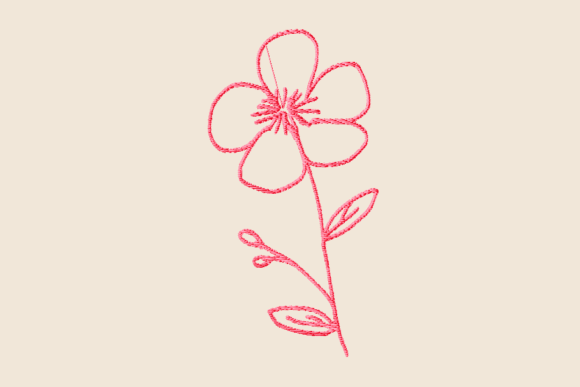
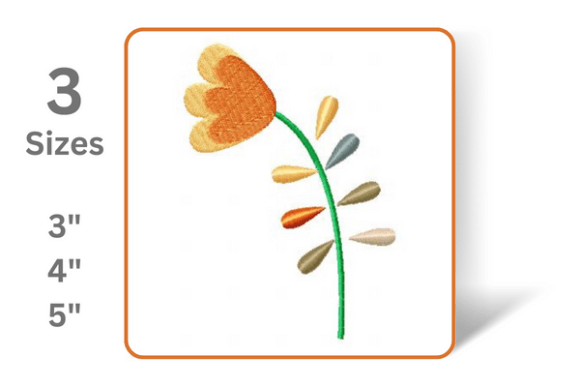
The moment I loaded the embroidery file, the mood was clear. This isn’t a stark, modern geometric shape, nor is it a hyper-realistic botanical study. Retro Flower carries a distinct vintage charm. It feels nostalgic, evoking memories of grandmother’s quilts, 1970s home decor, and sunny garden parties. The charm lies in its simplicity and warmth.
For a gift shop owner, this is a powerful asset. The design strikes a balance between being sweet enough for a baby shower yet elegant enough for a wedding keepsake. It doesn’t scream for attention; rather, it whispers comfort. When I visualized this on a soft cream pillow cover or a crisp white kitchen towel, the Retro Flower immediately elevated the piece from a generic store-bought item to a handmade product with soul. It appeals to buyers who value tradition, warmth, and a touch of whimsy in their daily lives.
Product Applications: Where Retro Flower Shines
In my testing, I found that Retro Flower is incredibly versatile when applied to various textiles. Its clean lines and balanced color potential make it an excellent candidate for several high-demand categories.
- Baby Embroidery: One of the strongest use cases for this design is in nursery decor. Imagine a soft muslin blanket embroidered with a centered Retro Flower. It creates a timeless heirloom quality. Parents love items that feel classic rather than trendy, and this design fits perfectly into that niche. It works beautifully on burp cloths, bibs, and crib sheets where the fabric texture complements the gentle curves of the flower.
- Kitchen and Home Decor: For the home body, this design transforms mundane items into gifts. An embroidered towel featuring a subtle Retro Flower in the corner adds a pop of personality without overwhelming the space. It also looks stunning on linen napkins or a set of coasters. The design’s scalability means it can be placed centrally on a large tote bag or tucked discreetly onto a smaller accessory.
- Wedding and Family Keepsakes: Brides and grooms are always looking for unique favors or personal touches. A custom apron embroidered with Retro Flower and the couple’s initials makes for a memorable housewarming gift. Similarly, placing this design on a quilted pillow cover can serve as a cherished family heirloom passed down through generations.
- Etsy Seller Opportunities: For the digital product seller or the Etsy seller offering custom services, Retro Flower is a low-risk, high-reward addition. It allows for easy customization with different thread colors to match any brand palette. You can offer "custom color" options, which significantly boosts buyer engagement and perceived value.
Technical Considerations and Fabric Compatibility
While the aesthetic appeal is undeniable, a professional must consider the technical reality of stitching. Not all fabrics behave the same way under the needle, and understanding these nuances is critical for maintaining customer trust.
Fabric Texture and Thickness: While the description suggests this design works on "any fabric," practical experience dictates caution. Thick terry cloth towels can sometimes distort delicate details if not hooped properly. Conversely, very thin, sheer fabrics may require additional stabilizer support to prevent puckering. Always test on scrap pieces of your target material first.
Stretchy Materials: If you plan to use this on stretchy baby clothes or jersey knit shirts, you must use a cut-away stabilizer. The tension of the threads could cause the fabric to wave or ripple if the stabilization isn't robust enough. This is especially important for blanket embroidery where the final drape matters.
Color Contrast: The success of Retro Flower relies heavily on thread colors. On dark fabrics, ensure your chosen thread colors have sufficient contrast so the retro details don’t get lost. On light fabrics, darker threads will provide a striking silhouette. I recommend creating a printable mockup or stitching a small sample on your actual product fabric to confirm the visual impact before committing to a full production run.
Where to Exercise Caution
There are specific scenarios where Retro Flower might not perform as intended. If you are attempting to add small lettering alongside this flower, be mindful of the available space. Crowding a design can lead to thread breaks and a cluttered appearance. Additionally, while the design is charming, it may lack the intricate detail required for high-end luxury branding that expects photorealistic embroidery. It is best suited for casual, cozy, and rustic aesthetics.
Avoid using this design on curved surfaces like fitted hats or rounded bags unless you have advanced digitizing skills to adjust the angle. Flat surfaces like pillow covers, flat towels, and apparel panels are ideal. Also, keep in mind that products requiring frequent, heavy-duty washing (like work aprons) need to be stitched with durable threads and proper density to withstand wear and tear.
Enhancing Perceived Value and Giftability
From a marketing standpoint, Retro Flower enhances the giftability of your products. Customers associate floral motifs with care, nature, and beauty. When they see a well-executed custom embroidery project, they perceive higher quality and effort. This directly translates to customer trust and willingness to pay a premium price.
For the small shop owner, showcasing the finished product is key. High-quality photos of the Retro Flower on real items—perhaps styled with dried flowers or rustic wood props—will attract more clicks and conversions. The design’s versatility allows you to create cohesive collections, such as a "Vintage Garden" line featuring matching towels, pillows, and tote bags.
Practical Pre-Production Checklist
Before you list this design for sale or begin fulfilling orders, please adhere to the following professional standards:
- Test on Scrap Fabric: Never assume a design will stitch perfectly on your final product. Run a test on the exact fabric type you intend to sell.
- Check Stitch Density: Ensure the design is not too dense for the fabric weight, which can cause stiffness, or too sparse, which can look unfinished.
- Confirm Hoop Size: Verify that the design dimensions fit within your standard hoop sizes to avoid unnecessary re-hooping or alignment issues.
- Review Stabilizer Usage: Match your stabilizer choice to the fabric. Tear-away for wovens, cut-away for knits and stretchy materials.
- Commercial Licensing: As a responsible seller, always check the license terms of the digital embroidery file. Ensure you have the right to sell finished products made from this design.
In conclusion, Retro Flower is a charming, emotionally resonant addition to any embroiderer’s library. It bridges the gap between nostalgia and modern handmade trends, making it a strong contender for baby gifts, home decor, and wedding favors. By paying attention to fabric choices, thread contrasts, and proper stabilization, you can turn this simple flower motif into a best-selling personalized gift that customers will cherish.