Mimi Flower Embroidery Design Review
As an embroidery designer who spends most of my days evaluating digitizing quality, stitch density, and commercial viability, I approach every new download with a mix of curiosity and skepticism. The market is saturated with generic floral files, so finding a design that truly stands out requires more than just a pretty picture. Recently, I came across the Mimi Flower from Creative Fabrica, categorized under Mother’s Day themes but clearly versatile enough for year-round use. After reviewing the file details and considering its application in real-world handmade products, I wanted to share an honest evaluation of whether this embroidery file deserves a spot in your library.
First Impressions: Visual Mood and Detail Level
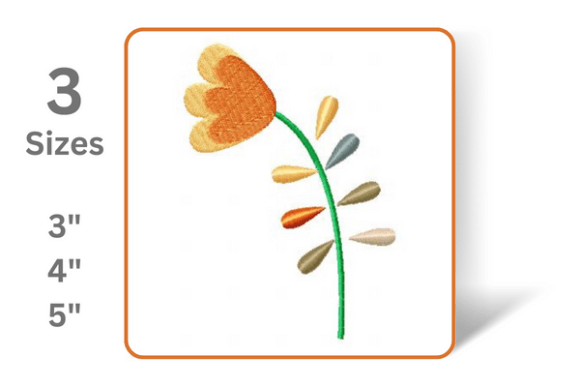
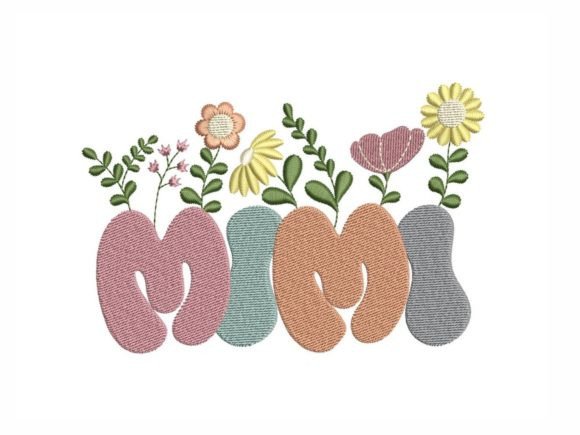
The name "Mimi Flower" suggests something delicate, perhaps vintage or romantic, and the design delivers on that promise immediately. Visually, it possesses a soft, feminine mood that feels timeless rather than trendy. For a designer looking to create custom apparel or home decor items, this visual appeal is crucial. It isn’t aggressive or overly busy; instead, it offers a balanced composition that allows the fabric texture to show through without overwhelming the garment.
From a technical standpoint, the detail level appears sophisticated. It avoids the common pitfall of relying solely on large blocks of color, which can sometimes look flat or cheap if the stitching isn’t perfect. Instead, it likely utilizes a combination of satin stitch for outlines and definition, alongside fill stitch for the petals and leaves. This variety in stitch types adds depth and dimension, making the finished product feel more luxurious. When I imagine this on a white cotton tote bag or a pastel apron, the contrast and clarity are exactly what buyers expect from high-quality handmade goods.
Real-World Application: Where Mimi Flower Shines
In my workflow, I constantly ask, "Where will this sell?" The versatility of Mimi Flower makes it an excellent candidate for several key product categories. Here is how I see it performing in actual production scenarios:
- Kitchen Linens: The description specifically mentions aprons, kitchen towels, and placemats. These are staple items at craft fairs and Etsy shops. A romantic floral design like this fits perfectly in a farmhouse or modern rustic aesthetic. It adds a touch of elegance to functional items.
- Apparel and Accessories: While t-shirts are mentioned, I believe this design would excel on sweatshirts, particularly for spring or early summer collections. It also works beautifully as an embroidered patch on denim jackets or canvas tote bags. The scale seems appropriate for chest-area placements or centered back designs.
- Nursery and Baby Items: Given its gentle aesthetic, it is a strong contender for baby blankets, burp cloths, and nursery wall hangings. Parents often look for designs that are soothing yet decorative, and Mimi Flower hits that sweet spot.
- Home Decor: Pillow covers and small wall hanger banners are low-risk, high-reward products. They require less fabric than garments and allow the customer to display the art prominently. A banner featuring Mimi Flower could serve as a stunning centerpiece for a living room or bedroom.
Practical Considerations for Production
No design is perfect, and understanding the limitations is key to avoiding costly mistakes. When planning to use Mimi Flower for commercial purposes, there are several practical factors to consider before loading the hoop.
Stitch Density and Hoop Size
One of the first things I check is the hoop size. If the design is compact, it is easier to manage on curved surfaces like caps or the sleeves of a sweatshirt. However, if the design is larger, you need to ensure your machine can handle it without excessive re-hooping, which can misalign the placement. Furthermore, dense stitch areas can cause puckering on lightweight fabrics. Always test on scrap fabric to see how the stitch density interacts with your specific material. If the fill stitches are too tight, they might distort the shape of the flower, ruining the delicate look.
Fabric Compatibility
This design relies on contrast to shine. On dark fabrics, you will likely need a heavy stabilizer and possibly a cut-away backing to prevent the stitches from sinking into the fibers. Conversely, on stretchy knits used for tote bag design or t-shirts, proper stabilization is non-negotiable. Without it, the running stitch details might pucker during washing. I also recommend checking thread color contrast carefully. A light gray thread on a heather gray shirt might disappear, whereas a crisp white or navy blue would pop against the same background.
Small Details and Durability
If the design includes tiny lettering or intricate inner petal details, inspect these closely after stitching. Small elements are prone to breaking or tangling if the tension is off. Additionally, consider the end-use. If the item is a kitchen towel that will be washed frequently, ensure the threads chosen are colorfast and durable. Cheap threads might fade quickly, diminishing the perceived value of your handmade product.
Impact on Product Value and Branding
Using a well-executed digital embroidery file like Mimi Flower can significantly elevate your brand perception. Buyers associate clean, precise stitching with quality craftsmanship. When you present a finished product—whether it’s a photo for an online listing or a physical item at a boutique—the visual appeal drives trust. A design that looks professionally executed encourages customers to pay a premium price.
Moreover, thematic relevance matters. Although categorized under Mother’s Day, the romantic nature of Mimi Flower makes it suitable for weddings, anniversaries, or general spring gifts. This flexibility allows you to keep your inventory relevant throughout the year. You can create printable mockups showing the design on various backgrounds to help customers visualize the final result, which boosts conversion rates for Etsy sellers and small business owners.
Final Verdict and Recommendations
Overall, Mimi Flower appears to be a solid addition to any embroiderer’s collection. It balances aesthetic charm with practical usability, making it suitable for everything from quick gift projects to larger commercial runs. However, success depends on execution. To get the best results, follow these steps:
- Test First: Always run a test stitch on the exact fabric you plan to use.
- Check Licensing: Before selling finished items, review the licensing terms on the Creative Fabrica product page to ensure you are compliant with commercial use policies.
- Inspect File Details: Confirm the recommended thread colors and any special requirements listed by the designer.
- Use Proper Stabilizer: Match your stabilizer to the fabric weight and stretch to prevent distortion.
If you are looking for a reliable, attractive machine embroidery design that enhances the value of your personalized gift offerings, Mimi Flower is worth considering. It embodies the kind of thoughtful design that resonates with customers who appreciate the handmade touch. By paying attention to the technical details during production, you can turn this digital asset into a profitable, beautiful finished product that stands out in a crowded market.