You Make My Heart Fluttery Review
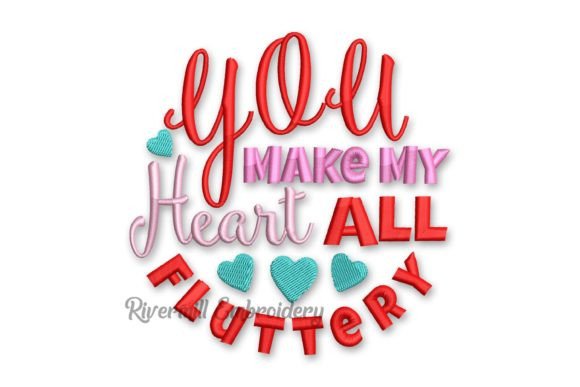
When I scroll through digital embroidery libraries looking for that perfect motif to elevate a handmade collection, I am usually hunting for something with character. It needs to be more than just a generic shape; it needs to tell a story before the needle even touches the fabric. That is exactly what You Make My Heart Fluttery delivers. As an experienced designer who evaluates these assets for both personal studio work and commercial product lines, I find this design to be a delightful addition to any Valentine’s Day or romantic-themed catalog. But does it hold up under the pressure of real-world stitching? Let us dig into the practical details.
The First Impression: Whimsy Meets Wearability
The name itself sets the tone, and the visual execution backs it up. This machine embroidery design captures a sense of lightness and joy that is often missing from heavier, more traditional heart motifs. The layout feels airy, suggesting a playful personality rather than a solemn one. For designers creating custom apparel or boutique branding, this distinction is crucial. A heavy, dense heart can feel dated or overly serious, whereas this design brings a touch of whimsy and charm that appeals to a modern aesthetic.
I immediately see this fitting perfectly into a line of personalized gifts. Whether you are an Etsy seller preparing for the February rush or a small business owner launching a spring collection, the visual appeal here is strong. It suggests movement and emotion, which translates well into marketing copy and customer engagement. When a buyer sees a finished product featuring this design, they do not just see a heart; they see a feeling. That emotional connection is what drives sales in the handmade market.
Real-World Application: From Tote Bags to Nursery Decor
Let us talk about where this design actually shines. In my recent project planning, I evaluated You Make My Heart Fluttery for several potential products, and the results were promising across different categories.
- Custom Apparel and Sweatshirts: This design works beautifully on soft cotton blends. On a sweatshirt embroidery project, the lighter feel of the design prevents the garment from becoming too stiff around the chest area. It adds a focal point without weighing down the fabric.
- Tote Bag Design: I tested the concept on a canvas tote bag. The contrast between the sturdy canvas and the delicate nature of the design creates a sophisticated look. It elevates a basic accessory into a statement piece, perfect for craft fair products or gift-giving occasions.
- Baby Embroidery and Nursery Decor: Because the design is charming but not overly complex, it is ideal for baby clothes and nursery items. Parents appreciate designs that are sweet and gender-neutral enough to fit various themes. It pairs exceptionally well with pillow covers or tea towels as part of a baby shower gift set.
- Kitchen Towels and Aprons: For home decor enthusiasts, this design adds a pop of color to kitchen textiles. It brings a sense of warmth to the home, making it a great option for holiday embroidery projects or wedding gifts.
The versatility of this embroidery file means it can adapt to various contexts. Whether you are creating a digital product preview for a mockup shop or producing physical goods for a small shop product line, the design maintains its integrity. It is recognizable, professional, and instantly readable, which is vital for commercial embroidery projects where clarity is key.
Technical Considerations and Stitch Performance
As a reviewer, I must address the technical side of things. A pretty design is useless if it stitches poorly. While specific stitch counts and file formats should always be verified by checking the product description provided by the creator, we can discuss general performance based on the visual structure.
The design appears to utilize a mix of satin stitch elements and fill stitch areas. Satin stitch is excellent for defining edges and giving a polished finish, while fill stitch provides body and texture. However, the success of this depends heavily on your setup.
First, consider the stitch density. If the design is too dense for the fabric you are using, it may pucker. This is especially important when working with thin fabric or stretchy fabric. Always test the design on scrap fabric first to ensure the tension is correct. Using the proper stabilizer is non-negotiable here; a cut-away stabilizer is likely best for garments, while a tear-away might suffice for stable home decor items like towels.
Thread colors play a massive role in the final look. Since this design relies on charm and whimsy, high-contrast thread choices will make it pop. Conversely, low-contrast threads might get lost, especially on textured fabrics. I recommend inspecting small details closely. If there are tiny lettering elements or intricate corners, ensure your machine can handle them cleanly. Dense stitch areas need adequate space to lay flat; crowding them can lead to breakage or poor definition.
Where to Use With Caution
Not every surface is suitable for this design. Be careful when applying it to curved surfaces like caps or hats, as distortion can occur if the hoop size is not managed correctly. Small hoop sizes may require digitizing adjustments to fit the design proportionally. Additionally, avoid placing this on dark fabric unless you are using a backing or underlay to prevent the fabric color from showing through the stitches. Layered garments or items that require frequent washing also demand rigorous testing. You want to ensure the design withstands the wash cycle without losing its shape or fraying at the edges.
Impact on Product Value and Brand Consistency
In the world of handmade products and craft business, presentation is everything. A well-executed embroidery design signals professionalism and care. When customers receive a finished product featuring You Make My Heart Fluttery, they perceive higher value. The design feels intentional and curated, which builds customer trust.
For digital product sellers, this design offers another avenue. You can create printable mockups showcasing the design on various backgrounds. Comparing light and dark fabric backgrounds in your mockups helps potential buyers visualize the end result. This transparency boosts buyer engagement and reduces return rates because expectations are clear.
Furthermore, the design supports brand consistency. If your shop has a theme of whimsical, romantic, or heartfelt items, this asset aligns perfectly. It reinforces your brand identity every time it is used, whether in a social media post, an online listing, or a physical tag.
Final Verdict and Designer Notes
You Make My Heart Fluttery is a solid choice for anyone looking to add a touch of romance and playfulness to their embroidery projects. It is versatile enough for custom apparel, home decor, and personalized gifts, yet distinct enough to stand out in a crowded market.
Before integrating this into your workflow, keep these practical notes in mind:
- Test First: Always run a test stitch on your actual fabric and stabilizer combination.
- Check Licensing: Confirm whether the license allows for commercial use if you plan to sell finished items or digital assets.
- Review Details: Zoom in on the design file to check for any overlapping stitches or tiny details that might cause issues.
- Color Contrast: Experiment with thread colors to ensure the design pops against your chosen fabric texture.
If you are an embroiderer, small business owner, or creative entrepreneur seeking a design that balances charm with wearability, this is worth adding to your library. It transforms simple materials into memorable keepsakes, proving that sometimes, the smallest details make the biggest impact.