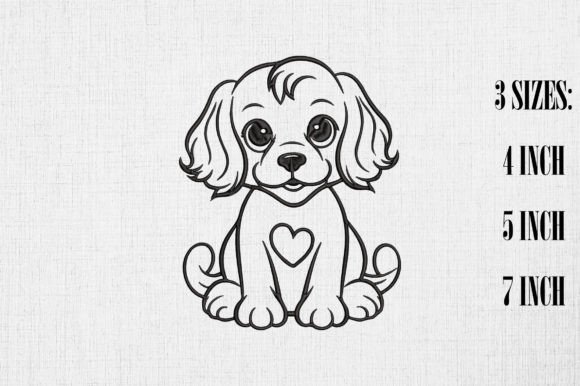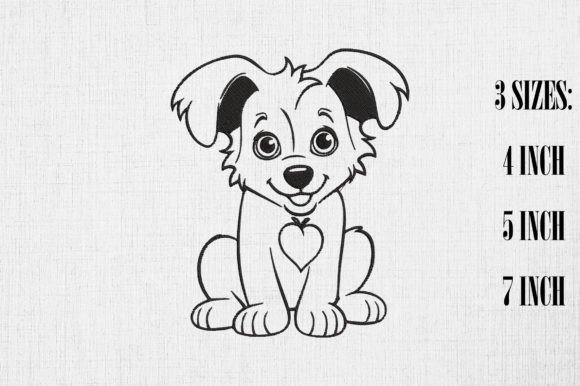
Valentine Doberman Pinscher: A Designer’s Review
As an embroidery designer who has spent years turning digital concepts into tangible brand assets, I approach every new file with a critical eye. We aren’t just looking for pretty pictures; we are looking for viable commercial products. When reviewing the Valentine Doberman Pinscher machine embroidery design, my focus shifts immediately to its potential in small business merch, branded patches, and custom apparel. This isn't just about decorating a t-shirt; it is about understanding how this design functions as a logo, a product accent, or a standalone piece of merchandise for Etsy sellers, boutique owners, and creative studios.
First Impressions and Visual Personality
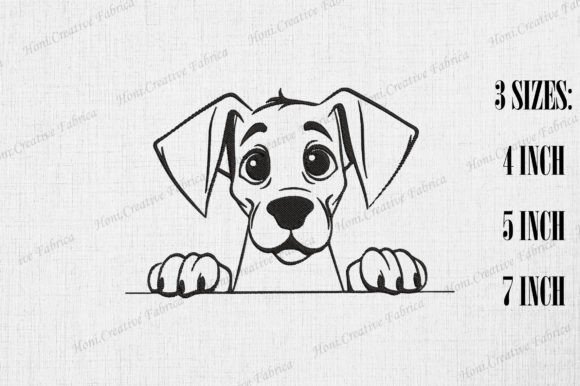
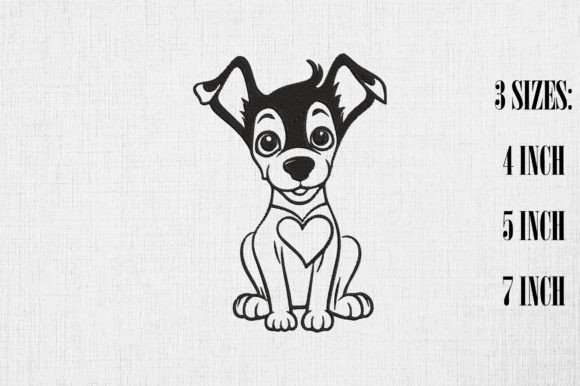
The title alone suggests a specific aesthetic: a blend of rugged loyalty and romantic charm. Dobermans are known for their sleek, powerful silhouettes, which translates well into embroidery because they rely on strong lines rather than excessive detail. The "Valentine" aspect implies a heart motif, likely integrated into the composition. From a design perspective, this combination offers a unique opportunity to bridge two distinct customer bases: pet lovers and those seeking romantic or affectionate themes.
In terms of visual personality, this design feels bold yet playful. It avoids the overly ornate or rustic look that can sometimes date quickly in fashion trends. Instead, it leans toward a modern, clean aesthetic that works well for contemporary brands. For a small café, a pet brand, or a handmade shop, this design strikes a balance between professional polish and approachable warmth. It feels premium without being stiff, making it suitable for a wide range of applications from baby’s onesies to high-end tote bags.
Real-World Business Applications
For small business owners, the versatility of the Valentine Doberman Pinscher design is its strongest asset. Let’s look at how this embroidery file performs in actual production scenarios.
- Branded Patches: This design is ideal for creating embroidered patches. Whether used as a chest logo accent on denim jackets or as a decorative element on backpacks, the strong outline of the Doberman ensures the patch remains legible even when cut out and edged. It serves as an excellent commercial embroidery item for craft fairs and online stores.
- Staff Uniforms and Aprons: Imagine a local bakery or a pet-friendly café using this design on black aprons. The contrast between the thread colors and the dark fabric will pop, creating a cohesive brand identity. It adds a touch of personality to staff uniforms without compromising professionalism.
- Caps and Hats: Cap embroidery requires designs that hold up on curved surfaces. The Doberman’s streamlined shape makes it a candidate for cap fronts, provided the stitch density is appropriate. It creates a memorable tote bag design or hat mark that customers will want to wear.
- Boutique Merchandise: For Etsy sellers and merch creators, this design opens up product lines like custom apparel, such as hoodies, sweatshirts, and t-shirts. It also works beautifully on home decor items like tablecloths and kitchen towels, expanding the reach of your small business merch.
- Product Packaging Accents: Don’t overlook the power of branding beyond clothing. Sewing a small version of this design onto garment tags or hang tags adds a handmade product feel that enhances perceived value.
Strategic Placement and Design Assets
When integrating the Valentine Doberman Pinscher into your product line, consider where it sits visually. As a design asset, it can function as a primary focal point on the back of a shirt or a subtle left-chest logo. Its flexibility allows it to be scaled down for smaller applications, such as sleeve details or cuff accents on work shirts.
For event merch, this design hits the right emotional notes. Valentine’s Day events, pet adoption drives, or charity runs often benefit from imagery that conveys love and loyalty. By offering items featuring this design, you align your brand with positive emotions, fostering customer trust and recognition. It becomes more than just a product; it becomes a statement of shared values.
Avoiding Common Pitfalls
However, not every application is created equal. There are specific areas where caution is required. If you plan to use this design on tiny lettering or very small patch sizes, you must evaluate the stitch density carefully. Fine details in the Doberman’s face or the heart motif may blur if reduced too much. Always test the design at its intended final size before committing to bulk production.
Fabric texture also plays a crucial role. On highly textured fabrics like heavy canvas or loose-weave linen, fine stitches can get lost. Similarly, dark uniforms require careful thread color selection to ensure visibility. If the design relies on light threads against a dark background, ensure there is sufficient underlay stitching to prevent the fabric from showing through. Items that need frequent washing, such as aprons and work shirts, demand durable construction, so inspect the stability of the satin stitches during your testing phase.
Impact on Brand Identity and Professionalism
High-quality embroidery elevates a product. When customers see a crisp, well-executed Valentine Doberman Pinscher design, they perceive higher value in the finished product. This attention to detail signals professionalism and care, which directly influences buyer engagement. In a crowded market of mass-produced goods, a unique, well-designed embroidered item stands out.
Consistency is key to building a strong brand. Using this design across various touchpoints—caps, totes, apparel, and packaging—creates a unified visual language. It reinforces your brand’s personality: friendly, loyal, and stylish. For handmade brands, this consistency helps build a recognizable aesthetic that customers come to expect and appreciate.
Practical Notes for Embroidery Designers
Before adding this digital embroidery file to your production queue, follow these essential steps to ensure quality control:
- Test in Black and White: Convert the design to monochrome to check the balance of negative space and fill areas. This helps identify any clumping or sparse regions that might cause issues during stitching.
- Check Small Patch Size: Simulate the design at 2 inches or less. If details disappear, simplify the digitizing or adjust the placement.
- Review Thread Color Contrast: Ensure the chosen thread colors provide enough contrast against your target fabric. Test on swatches of your actual production materials.
- Inspect Spacing and Density: Look for areas where stitches might overlap excessively or leave gaps. Adjust the density settings if necessary to prevent puckering.
- Confirm Hoop Size: Verify that the design fits within your standard hoop sizes. If it exceeds them, you may need to split the design or use a larger frame.
- Test on Real Fabric: Digital previews can be deceiving. Stitch the design on the actual fabric type you intend to use, including the proper stabilizer (cut-away for stretchy fabrics, tear-away for wovens).
- Create a Printable Mockup: Use software to create a realistic mockup for client approval or marketing purposes. This helps visualize the final product without wasting resources.
- Compare with Other Assets: Place this design alongside your other design assets to ensure it complements your existing collection.
- Confirm Commercial Licensing: Most importantly, verify that you have the right to sell products made from this file. Check the license terms associated with the Valentine Doberman Pinscher Heart Embroidery to avoid legal issues.
By following these guidelines, you can leverage the Valentine Doberman Pinscher design to create high-quality, profitable merchandise. Whether you are an experienced embroiderer or just starting out, this design offers a versatile tool for enhancing your brand’s visual appeal and connecting with customers on a deeper level. Remember, the success of any embroidered patch or apparel item lies in the execution. Take the time to test, refine, and present your work professionally, and you will see the return on investment in both sales and brand loyalty.