Robin Winter Bird Review
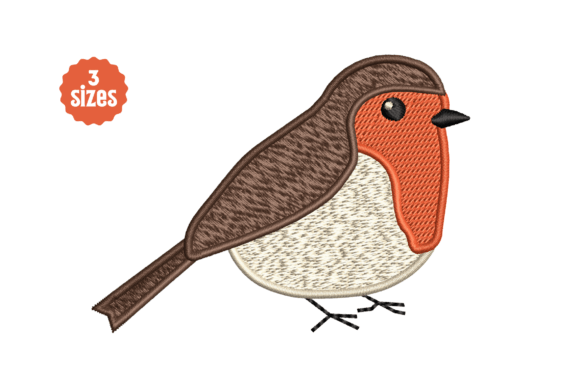
As an embroidery designer who spends weekends manning craft fair booths and managing an online handmade shop, I know that the difference between a design that sits on a shelf and one that flies off it often comes down to texture, color contrast, and immediate visual appeal. I recently reviewed the Robin Winter Bird machine embroidery design with the specific intent of turning it into sellable products for my next market season. The description promises a textured stitch style on the red belly and wings, giving it an extra special feel. In this review, I break down exactly how this embroidery file performs in the real world, from production to point-of-sale.
First Impressions: Texture and Visual Impact
The moment you look at the digital preview of Robin Winter Bird, the primary selling point is clear: the textured stitch work. In the world of handmade goods, customers are increasingly drawn to designs that mimic hand-stitching or offer a tactile quality. A flat satin stitch can sometimes look cheap if the thread count is low, but a textured fill creates depth. This design leverages that by focusing the texture on the bird’s signature red belly and wings.
This approach makes the design feel premium rather than mass-produced. It strikes a balance between rustic charm and modern elegance. It is not overly cute or cartoonish, which allows it to appeal to a broader demographic, including those who prefer farmhouse decor or minimalist aesthetics. For a booth display, this level of detail catches the eye because it looks substantial. When customers lean in to inspect the item, they see the variation in the stitches, which reinforces the value of the handmade product.
Product Application and Versatility
One of the biggest questions I ask when evaluating a new digital embroidery file is: "Where does this sell best?" The Robin Winter Bird design is versatile enough to shine across several key categories for Etsy sellers and boutique makers.
- Tote Bags: This is perhaps the strongest application. A canvas tote bag provides a sturdy, neutral background that allows the red tones of the robin to pop. As a tote bag design, it works well as a central focal point or a slightly offset accent. The durability of the canvas complements the density of the embroidery, ensuring the design holds up over time.
- Aprons and Tea Towels: For kitchen-themed items, this design adds a touch of seasonal warmth. Whether used for apron embroidery or tea towel embroidery, the bird motif feels appropriate for homey, comforting aesthetics. It photographs exceptionally well for online listings, creating an inviting image that suggests a cozy winter morning.
- Caps and Patches: If the hoop size allows, this design can be adapted for structured caps or sew-on patches. However, curved surfaces require careful testing to ensure the textural stitches do not pucker. A well-executed embroidered patch featuring this robin can serve as a great add-on item at a craft fair.
- Cushions and Sweaters: On soft fabrics like fleece or wool sweaters, the texture of the bird’s belly will blend beautifully with the fabric nap. For cushions, it acts as a decorative element that elevates the perceived value of the item, making it a perfect giftable handmade item.
Production Practicality for Batch Making
For any commercial embroidery business, efficiency matters. I evaluated Robin Winter Bird for its potential in batch production. The design appears to have a moderate stitch count, which means it is not excessively time-consuming to produce. This is crucial when you are trying to turn a profit after accounting for material costs and labor.
The design is also highly repeatable. Because the color palette is relatively limited (focusing on the reds and natural tones), you can easily swap thread colors to match different inventory themes without changing the underlying structure. This flexibility is a huge asset for small shop product lines where consistency is key. Furthermore, the design translates well into printable mockups. You can create high-quality images for your website before even stitching the first physical sample, allowing you to test marketing angles quickly.
Technical Considerations and Careful Use Notes
While the design has strong aesthetic appeal, there are technical nuances that every embroiderer must consider before running large batches. The textured stitch style implies a higher stitch density in specific areas. High density can lead to puckering if the stabilizer is not chosen correctly. It is essential to use a cut-away stabilizer for stretchy fabrics like sweatshirts or t-shirts, whereas a tear-away might suffice for stable cotton tote bags.
Another critical factor is thread contrast. The red belly needs to stand out against the fabric. If you choose a dark-colored tote bag, the red may get lost unless you use a bright, saturated thread. Conversely, on light fabrics, the red will sing. Always check your thread colors against your final fabric choice. Additionally, be mindful of the smallest details. If you plan to scale the design down significantly for small pouches, the textured stitches might merge together, losing their definition. It is generally safer to keep this design at a medium-to-large size to preserve its character.
Also, consider the fabric texture itself. While linen and canvas work wonderfully, highly nubby or boucle fabrics might hide the intricate stitch work. Stick to smoother surfaces for the best clarity.
Marketing and Brand Consistency
In terms of brand building, Robin Winter Bird fits seamlessly into a cohesive collection. If your brand focuses on nature-inspired, seasonal, or wintery themes, this design is a staple. It helps maintain brand consistency across different product types. A customer who buys a tea towel with this bird is likely to trust your other items, such as pillow covers or market bags.
For craft fair sellers, the visual appeal of this design aids in buyer engagement. People are naturally drawn to animals, and the robin is a recognizable symbol of resilience and winter beauty. Displaying finished products with this design prominently on your table can draw foot traffic. It serves as a conversation starter, allowing you to explain the craftsmanship involved in achieving that textured look.
Essential Designer Checklist
Before adding this to your production queue, follow these practical steps:
- Test on Scrap Fabric: Always run a test stitch-out on the exact fabric you plan to sell. Check for puckering, thread breaks, and color accuracy.
- Confirm Hoop Size: Ensure the design fits within your standard hoops to maximize efficiency. If it requires a custom frame, factor that extra time into your pricing.
- Inspect Stitch Density: Look closely at the dense areas. Are there any overlapping stitches that might cause needle breaks? Adjust the underlay settings if necessary.
- Review Commercial Licensing: Verify that you have the right to sell finished products made from this design assets package. Different licenses apply to personal use versus commercial resale.
- Create Real Mockups: Don’t rely solely on digital previews. Create at least one physical sample to photograph. The way light hits the textured stitches in person is far more compelling than a flat screen image.
Ultimately, Robin Winter Bird is a strong contender for any maker looking to expand their winter or nature-themed inventory. Its textured details offer a tangible sense of quality that customers appreciate, and its versatility across multiple product categories makes it a smart investment for both online shops and physical markets. By paying attention to the technical details like stabilizers and thread contrast, you can ensure that every finished product reflects the high standards your brand represents.