Leaves Ornament Tambourine Review
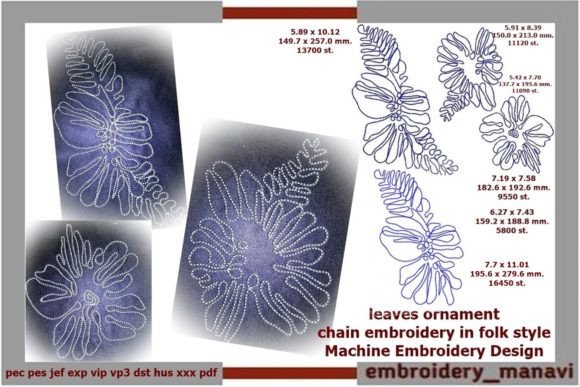
As an embroidery designer who has spent years turning digital concepts into tangible brand assets, I approach every new embroidery file with a critical eye. We aren’t just looking for something that looks pretty on a hoop; we are looking for viability in production, scalability across different mediums, and the ability to elevate a small business merch line. Today, I am reviewing the Leaves Ornament Tambourine, a design described as a leaves chain embroidery pattern in folk style featuring a tambourine stitch. This piece falls under the Floral Wreaths category within the broader scope of Embroidery designs, but its application goes far beyond simple home decor.
First Impressions: Folk Style Meets Modern Utility
The moment you load the machine embroidery design into your software, the visual personality of Leaves Ornament Tambourine strikes you. The "folk style" descriptor suggests a rustic, handmade aesthetic that is currently trending heavily in the boutique and artisan markets. It feels friendly, warm, and authentic—qualities that resonate deeply with customers who value craftsmanship over mass production. The inclusion of the "tambourine stitch" implies a textured, possibly slightly raised or intricate fill technique that adds depth without requiring excessive thread consumption.
From a branding perspective, this design does not scream corporate rigidity. Instead, it whispers heritage, nature, and care. For a small café, a local florist, or a handmade soap brand, this visual language aligns perfectly with their core values. It feels premium yet accessible, striking the balance necessary for successful custom apparel and branded goods. However, designers must remember that "folk style" can sometimes lean too heavily into complexity, so we must evaluate its performance in real-world commercial applications.
Real-World Applications for Small Businesses
The true test of any digital embroidery file is how it translates from screen to fabric. Here is how Leaves Ornament Tambourine performs across various high-demand product categories:
- Embroidered Patches: This design is an excellent candidate for creating custom patches. The leaf chain motif lends itself well to circular or oval patch formats. For a craft business asset, these patches can be sold as standalone items or used to customize denim jackets, tote bags, and backpacks for customers.
- Staff Uniforms and Aprons: Imagine this design embroidered on the chest pocket of a barista’s apron or the sleeve cuff of a bakery worker’s shirt. The organic leaf pattern softens the look of standard workwear, making staff feel more like artisans than employees. It enhances brand identity by suggesting that the products they handle are crafted with natural ingredients or care.
- Cap Embroidery: Placed on the front panel of a structured cap, the design offers a subtle yet distinctive logo mark. It works particularly well for outdoor brands, gardening supplies, or eco-conscious boutiques. The scale needs to be managed carefully here, but the visual impact is strong.
- Tote Bag Design: A large-scale application of the leaves chain on a canvas tote bag creates a beautiful, reusable marketing tool. Customers carry these bags everywhere, providing free exposure. The folk style pairs exceptionally well with natural fiber fabrics, reinforcing the handmade product narrative.
- Product Packaging Accents: Beyond apparel, this design can be stitched onto fabric labels sewn into clothing tags or attached to gift boxes. It adds a tactile element to unboxing experiences, increasing perceived value and customer trust.
Strategic Branding Impact
Using Leaves Ornament Tambourine in your commercial embroidery projects does more than just decorate an item; it communicates specific values to your audience. In a market saturated with generic logos, a folk-style leaf pattern signals authenticity. It tells the customer that your brand pays attention to detail and appreciates traditional aesthetics.
This design contributes to visual consistency across your product line. Whether it appears on a ceramic mug tag, a linen napkin, or a woven hat, the recurring motif creates a cohesive brand universe. This repetition builds recognition. When a customer sees those familiar leaves, they immediately associate them with your quality standards. Furthermore, the "handmade presentation" evoked by the design fosters emotional engagement. Buyers are more likely to support businesses that feel personal and rooted in craft traditions.
Critical Considerations and Limitations
While the design is charming, there are specific scenarios where caution is required. As a professional, I advise reviewing the following constraints before committing to bulk production:
- Small Patch Sizes: If you plan to reduce this design to fit a tiny patch (under 2 inches), details may get lost. The individual leaves in the chain might merge together, creating a muddy blob rather than a distinct pattern. Always test at actual size.
- Curved Surfaces: While caps and sleeves curve, highly curved surfaces like rounded bottle labels or tight wristbands can distort the symmetry of the wreath-like chain. Ensure your digitizing allows for slight adjustments to accommodate curvature.
- High Stitch Density: Check the stitch density of the tambourine stitch. If it is too dense, it may pucker lightweight fabrics like thin cotton tees or delicate linens. Conversely, if it is too sparse, it may lack the premium texture expected in high-end merchandise.
- Fabric Texture and Color: The design relies on contrast. On dark uniforms or heavily textured fabrics like heavy wool, fine outlines may disappear. You may need to adjust thread colors or add a backing stabilizer to ensure visibility. Light-colored threads on dark backgrounds require careful underlay stitching to prevent show-through.
- Wash Durability: For items that undergo frequent washing, such as restaurant aprons or baby clothing, ensure the design structure is stable. Loose chains of leaves can snag if not properly anchored. Verify that the digitizing includes sufficient tie-ins and trim commands.
Practical Designer Notes for Production
Before you start running commercial embroidery jobs with Leaves Ornament Tambourine, follow these essential steps to protect your reputation and minimize waste:
- Black and White Test: Convert the design to black and white in your software. This helps you assess the balance of positive and negative space without being distracted by color choices. If it doesn’t read clearly in monochrome, it won’t read clearly in color.
- Hoop Size Verification: Confirm the recommended hoop size for the full design. Ensure your machine can accommodate it, especially if you are placing it off-center on larger garments.
- Stabilizer Selection: Use the appropriate stabilizer for your fabric type. Cut-away stabilizers are generally safer for stretchy knaps or items that will be washed frequently, while tear-away may suffice for rigid totes.
- Mockup Creation: Create a printable mockup or a digital render showing the design on your actual product. Present this to clients or use it for pre-sale campaigns to gauge interest before investing in physical samples.
- Thread Contrast Check: Inspect the spacing between leaves. If using similar thread colors, the definition may be lost. High contrast between the leaf fill and the background thread usually yields the best results for folk-style designs.
- Commercial Licensing: Most importantly, confirm commercial licensing terms. Ensure you have the right to sell finished goods made with this embroidery file. Do not assume standard personal-use licenses cover merchandise sales.
In conclusion, Leaves Ornament Tambourine is a versatile and aesthetically pleasing addition to any designer’s library of design assets. Its folk-inspired charm makes it ideal for brands seeking to project warmth, authenticity, and craftsmanship. By paying close attention to technical details like stitch density, fabric compatibility, and proper stabilization, small business owners can leverage this design to create memorable, high-quality merchandise that strengthens their brand identity and drives customer loyalty.