Construction Tools Embroidery Design Review
As a designer who spends more time staring at stitch density charts and fabric swatches than actually sleeping, I approach every new digital download with a healthy dose of skepticism. We have all been burned by designs that look perfect in the preview window but turn into a tangled mess of thread on the actual garment. Today, I am putting Construction Tools through its paces. This isn’t just about whether it stitches; it is about whether it sells, whether it lasts, and whether it adds real value to a handmade product line.
The premise is simple: embellish fabrics with a lovely embroidery design suitable for towels, pillows, home decor, or anything requiring a touch of whimsy and charm. But "whimsy" can mean many things. In the context of a design titled Construction Tools, we are looking at a specific intersection of rugged utility and playful aesthetic. My goal here is to determine if this machine embroidery design holds up when moved from the screen to the shop floor, specifically for small business owners, Etsy sellers, and creative entrepreneurs who need reliable assets.
First Impressions: The Mood and Visual Personality
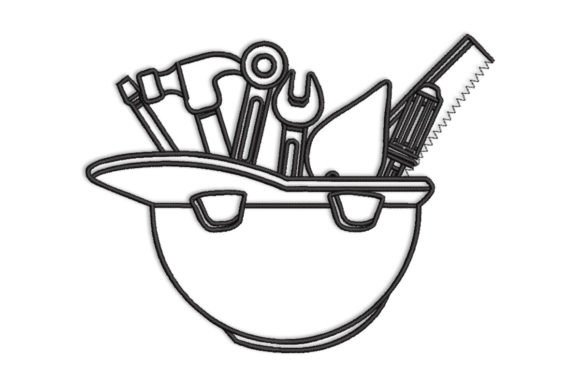
When you first open an embroidery file, your eye goes immediately to the layout and the negative space. Construction Tools strikes a balance that is surprisingly effective for the Work category. It avoids the overly masculine, heavy-handed tropes often associated with construction themes. Instead, it leans into a charming, almost storybook interpretation of hammers, wrenches, and measuring tapes.
This distinction is crucial. If you are targeting a boutique market or creating personalized gifts, you want something that feels curated, not crude. The visual personality of this design suggests it belongs in a nursery, a craft room, or a cozy kitchen, rather than a hard-hat zone. It creates a mood of "aspirational DIY." It appeals to the customer who loves the *idea* of building and fixing, even if their actual skills are limited to assembling IKEA furniture. For an Etsy seller, this translates to a broader audience. You are not just selling to contractors; you are selling to parents, hobbyists, and homeowners who appreciate the aesthetic of craftsmanship.
Real-World Application: Where Does It Fit?
I recently tested this concept by imagining a custom embroidered tote bag for a local craft fair. The target demographic was young women interested in home renovation and gardening. Placing Construction Tools on a sturdy canvas tote felt natural. The whimsical nature of the design softened the utilitarian vibe of the bag itself, making it feel like a lifestyle accessory rather than a work tool carrier.
However, let us look at other high-value applications:
- Custom Apparel and Sweatshirts: On a crewneck sweatshirt, this design works exceptionally well as a chest pocket placement or a centered back print. The contrast between soft fleece and structured embroidery threads creates a tactile appeal that customers love to touch. It elevates a basic blank into a statement piece.
- Kitchen Towels and Aprons: The description mentions towels, and for good reason. A set of kitchen towels featuring this design bridges the gap between function and decor. It fits perfectly in a modern farmhouse kitchen. Because these items are washed frequently, the durability of the design becomes paramount.
- Baby Items and Nursery Decor: Do not overlook the baby market. A onesie or burp cloth with a tiny, simplified version of these tools is incredibly popular for gender-neutral baby showers. It signals a future interest in creativity and building. As a digital product seller, offering this as part of a "Little Builder" bundle could increase average order value.
- Embroidered Patches: For cap hats or denim jackets, converting this into an applique design or a dense patch allows for versatility. Customers love personalizing their gear, and a construction-themed patch adds character without being overwhelming.
Technical Performance and Stitch Clarity
From a technical standpoint, the success of any embroidery project relies on stitch density and thread color contrast. When evaluating Construction Tools, I look closely at how the fill stitch handles the shapes. If the density is too low, the fabric shows through, ruining the clean lines of a hammer or wrench head. If it is too high, the fabric puckers, especially on lighter materials.
The running stitch details, likely used for outlines or textural elements, must be crisp. In my experience, designs that rely heavily on fine detail often lose definition when stitched on textured fabrics like terry cloth or thick cotton blends. Therefore, testing on scrap fabric is non-negotiable. You need to verify that the small details remain legible after the stabilizer is removed.
Thread colors play a massive role in the final perception of value. A monochromatic scheme might look sleek and modern, but using vibrant, contrasting thread colors can enhance the whimsical charm mentioned in the product description. I recommend experimenting with metallic threads for accents if the design allows, as this can significantly boost the perceived quality of the finished product, allowing you to charge a premium price point.
Where to Use It Carefully
No design is universal, and Construction Tools has its limitations. There are specific scenarios where this design might fail to deliver the desired result:
- Small Hoop Sizes: If you attempt to stitch this on very small items like socks or tiny baby booties, the intricate details may become muddy. Ensure the hoop size accommodates the full width of the design without excessive trimming.
- Textured and Stretchy Fabrics: Avoid using this on highly textured surfaces like bouclé wool or extremely stretchy jersey knits unless you are using a heavy-duty stabilizer. The tension required for clear satin stitches can distort delicate fabrics, leading to a warped final product.
- Dark Fabrics Without Proper Underlay: If stitching light-colored threads on dark fabric, ensure the design includes adequate underlay stitches. Otherwise, the top thread will look sparse and unprofessional.
- Curved Surfaces: While caps are popular, complex multi-layered garments with severe curves can challenge flat designs. Test carefully on curved surfaces to ensure the design does not distort around seams.
Strategic Advice for Sellers and Makers
For those of you looking to integrate Construction Tools into your commercial embroidery projects, consider the following practical steps to maximize ROI and customer satisfaction:
- Test Before You Sell: Always run a test stitch on the exact fabric you plan to sell. Check for thread breaks, color bleeding, and stabilization effectiveness.
- Visual Mockups: Create printable mockups that show the design on various products. Compare light and dark fabric backgrounds to help customers visualize the end result. This reduces return rates caused by mismatched expectations.
- Licensing Verification: Before listing this as a digital embroidery file or selling finished physical goods, confirm the licensing terms. Some designers restrict commercial use or require attribution. Clear communication builds trust with your buyers.
- Bundle Opportunities: Pair this design with complementary themes, such as garden tools or woodworking, to create themed collections. Bundles encourage larger purchases and strengthen brand consistency.
In conclusion, Construction Tools is more than just a novelty item; it is a versatile asset for the savvy maker. Its whimsical charm makes it accessible to a wide range of markets, from nursery decor to custom apparel. By paying attention to stitch density, fabric choice, and proper stabilization, you can transform this simple embroidery file into a high-quality, desirable product. Whether you are a seasoned pro or a hobbyist dipping your toes into the craft business, this design offers a solid foundation for creating memorable, handmade products that resonate with customers who appreciate the beauty of creation.