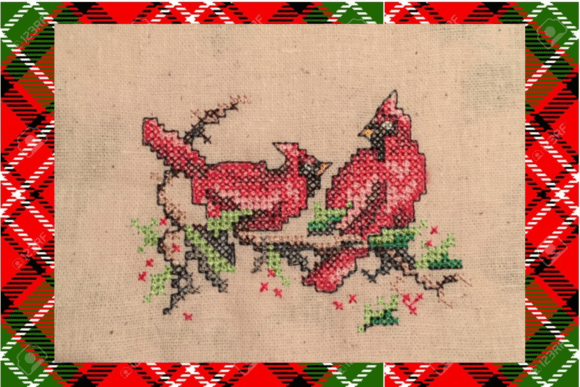
Christmas Cardinal Cross Stitch
As an embroidery designer who spends countless hours refining stitches and testing thread tensions, I approach every new digital file with a critical eye. When Christmas Cardinal Cross Stitch landed in my inbox, I didn’t just see a graphic; I saw potential inventory for the upcoming holiday rush. The description notes that this design mimics traditional hand-done cross-stitching, claiming the difference is difficult to discern. For those of us creating handmade gifts and seasonal decor, that promise of authenticity is exactly what we need to capture the cozy, nostalgic spirit of the season.
I have reviewed this machine embroidery design with the intention of integrating it into a broader seasonal product collection. Below is my practical assessment of how this embroidery file performs across various mediums, from apparel to home goods, and what you need to consider before adding it to your shop’s catalog.
The First Impression: Mood and Aesthetic
The immediate emotional tone of the Christmas Cardinal Cross Stitch is one of warmth and tradition. Cardinals are iconic symbols of Christmas, often representing hope or a loved one watching over us during the holidays. By rendering this image in a cross-stitch style, the design evokes a rustic, cabin-like feel that resonates deeply with customers looking for authentic, heartfelt decor. It feels less like a mass-produced print and more like something stitched by hand on a farmhouse table.
This aesthetic works exceptionally well for personalized gift markets. Whether it is placed on a kitchen towel or a pillow cover, the design carries a visual weight that suggests quality. It strikes a balance between elegant and playful, making it versatile enough for different buyer demographics. For the Etsy seller targeting families, this design offers a sense of heritage and comfort that fits perfectly within the current trend toward slow living and artisanal craftsmanship.
Real-World Application: Where This Design Shines
In my experience building holiday collections, versatility is key. This digital embroidery file has proven to be highly adaptable across multiple product categories. Here is how I recommend deploying it for maximum impact:
- Kitchen Towels and Table Linens: The cross-stitch texture complements the weave of cotton towels beautifully. It adds a tactile element that flat prints cannot match. Use this for kitchen towel embroidery sets as part of a holiday bundle.
- Sweatshirt Embroidery: For the ultimate cozy look, place the design on the front pocket or center chest of fleece sweatshirts. The contrast between the soft fabric and the structured stitch work creates a premium feel suitable for sweatshirt embroidery projects.
- Tote Bag Design: A sturdy canvas tote featuring this motif is perfect for holiday shopping or gifting. It serves as both a functional item and a festive accessory, ideal for tote bag design listings.
- Pillow Covers and Home Decor: The design’s square-ish nature (typical of cross-stitch) frames well on standard throw pillows. It enhances the pillow cover appeal by adding a focal point that draws the eye.
- Embroidered Patch: Consider digitizing this as a standalone patch for denim jackets or beanies. An embroidered patch allows for creative layering and can be sold as a customizable add-on.
When creating social media previews or printable mockup graphics, ensure you showcase the texture. Close-up shots that highlight the individual "stitches" will help buyers understand the value they are receiving compared to screen-printed alternatives.
Strategic Selling Points for Holiday Buyers
From a business perspective, the Christmas Cardinal Cross Stitch design hits several psychological triggers for holiday shoppers. First, it boosts perceived value. Hand-stitched aesthetics command higher prices because they imply labor and care. Second, it enhances giftability. Customers are more likely to purchase items that look thoughtful and personalized, especially when marketing them as handmade gift options.
Furthermore, this design supports brand consistency for shops focused on rustic or traditional themes. If your shop already features flannel, wool, or natural fibers, this seasonal embroidery pattern aligns seamlessly with your existing aesthetic. It also encourages bundling. You might offer a matching set of a kitchen towel and a potholder, increasing your average order value through strategic product pairing.
Technical Considerations and Potential Pitfalls
While the design is beautiful, no commercial embroidery project is without its challenges. As a professional, I must advise caution in specific applications to ensure customer satisfaction and reduce returns.
Fabric Texture and Stability: The cross-stitch effect relies on clear definition. On very thick towels or heavily textured fabrics, the detail may get lost. Always test on your actual production fabric. Similarly, on stretchy garments like thin knit caps, the density of the design could cause puckering if not stabilized correctly. Using a high-quality stabilizer is non-negotiable here.
Thread Colors and Contrast: While the design likely uses reds and greens, do not assume standard colors will pop on all backgrounds. Test thread colors on both light and dark fabric. Dark fabrics may require a underlay or white backing to make the colors vibrant, which can alter the final look. Be wary of using metallic threads unless you have a machine capable of handling them smoothly, as they can break easily and disrupt the delicate cross-stitch appearance.
Hoop Size and Density: Although exact dimensions are not provided in the initial description, you must confirm the recommended hoop size before listing. If the design is too large for a standard 4x4 hoop, you will need multi-hooping capabilities, which increases production time. Check the stitch density carefully; overly dense areas can make the fabric stiff and uncomfortable, particularly on apparel items.
Durability: Items that need repeated washing, such as aprons or daily-use towels, must be tested for colorfastness. Some bright red threads may bleed. Advise your customers on proper care instructions to maintain the integrity of the finished product.
Final Designer Notes for Success
To maximize the success of this embroidery file, I recommend the following workflow:
- Test Stitch Out: Never sell what you haven't stitched. Create a sample on every fabric type you plan to use.
- Review Small Details: Zoom in on your finished sample. Are the tiny details crisp? If they look muddy, you may need to adjust thread tension or trim spacing.
- Plan Matching Palettes: Curate a specific thread palette that matches your shop’s branding. Consistency builds trust.
- Check Licensing: Before selling finished products, confirm the commercial licensing terms of the digital embroidery file. Ensure you have the right to sell physical items made from the design.
The Christmas Cardinal Cross Stitch design is a strong contender for any holiday collection. It offers the emotional resonance of traditional crafts with the efficiency of modern digitization. By paying attention to technical details like stabilizer choice and fabric compatibility, you can create stunning, high-value products that resonate with holiday shoppers. Whether you are an Etsy seller or a small shop owner, this design provides a reliable foundation for creating memorable seasonal merchandise.